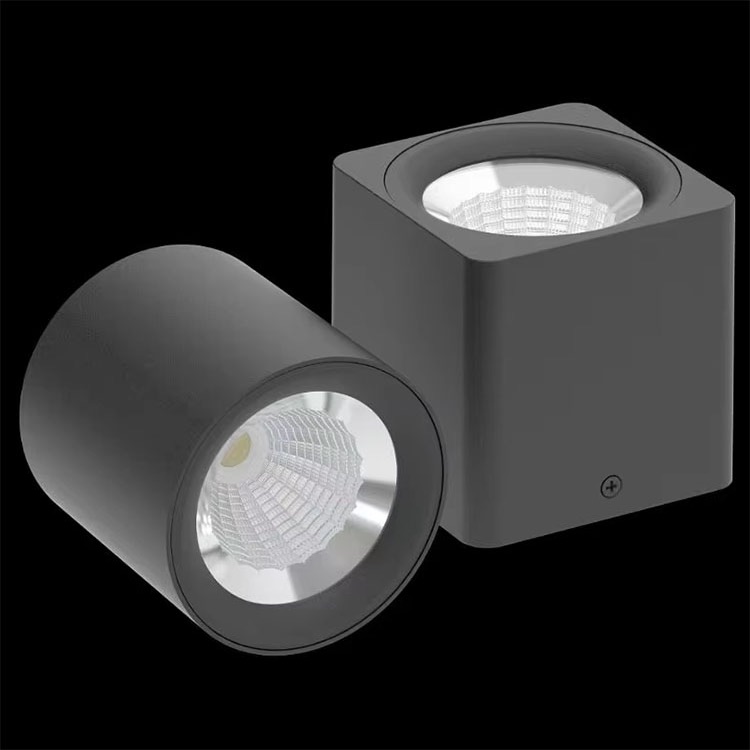
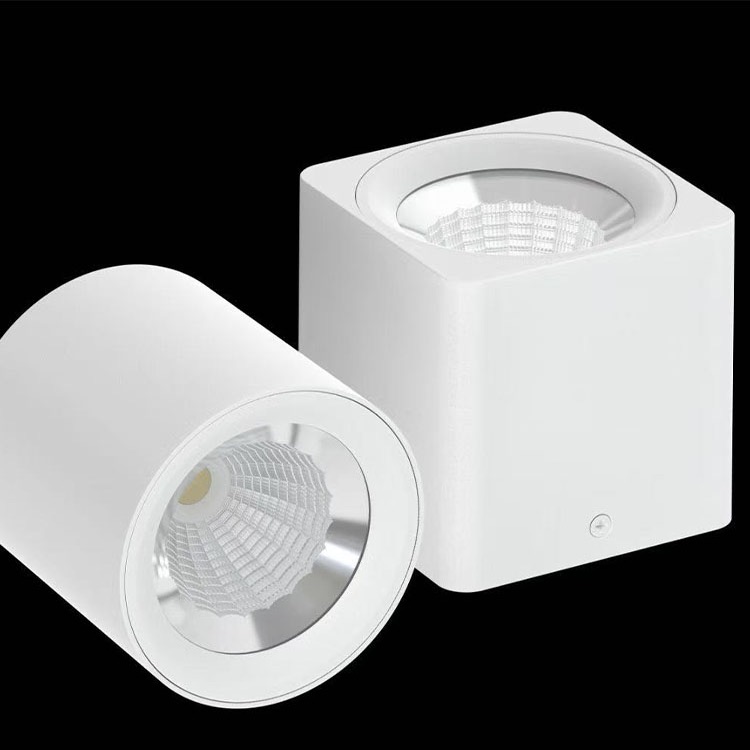
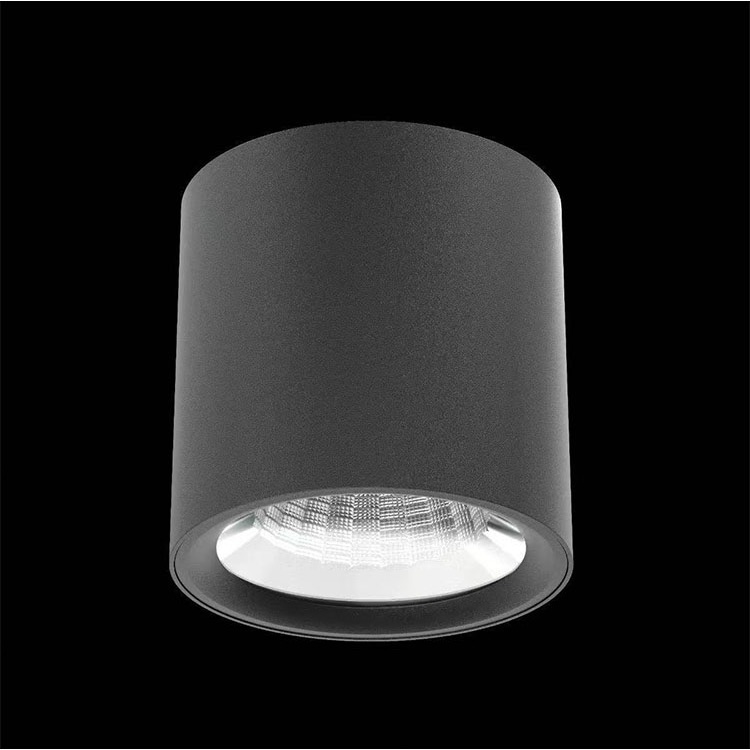
تبدو مصابيح LED النازلة التجارية بسيطة إلى أن يمتلئ السقف بالوهج والألوان غير المتطابقة وأصوات المحركات الطنانة والملفات الضوئية المفقودة. يختصر هذا الدليل لغة الكتالوج ويشرح ما يجب على المشترين والمقاولين والمصممين والموزعين التحقق منه قبل الطلب.
Here’s the truth. Most commercial LED downlights fail long before they physically die, because the buyer focused on wattage and unit price while ignoring beam control, driver quality, ceiling compatibility, glare rating, batch consistency, dimming behavior, and the boring paperwork that decides whether a project gets approved or delayed. Why does the industry still pretend a downlight is just a round hole with light in it?
I’ve watched contractors reject decent-looking commercial downlight fixtures because the IES file arrived late. I’ve seen hotel corridors ruined by “warm white” LEDs that looked pink next to the wall finish. And I’ve seen office projects where the fixture technically met the lumen target, but employees hated the ceiling because every aperture sparkled like a cheap jewelry counter.
Commercial LED downlights are not decorative afterthoughts. They are project-risk items.
The U.S. Department of Energy says LEDs are directional by nature, which makes them especially efficient for recessed downlights and task lighting, and it also estimates more than 600 million recessed downlights are installed across U.S. homes and businesses in its LED lighting overview. That number matters because it tells us something blunt: downlights are everywhere, and bad ones scale fast.
جدول المحتويات
ورقة مواصفات الإضاءة السفلية هي المكان الذي تبدأ منه القصة
The first mistake is asking, “How many watts?”
Wrong question.
For commercial LED downlights, wattage is just the bill. The job is light. A serious buyer should start with lumen output, beam angle, cut-off, CRI, CCT, driver type, dimming protocol, aperture size, trim finish, thermal design, and photometric documentation.
If you are planning commercial recessed lighting for offices, retail stores, hotels, clinics, restaurants, or corridors, your real question is this: will the fixture still look right after 2,000 pieces arrive from the second production batch?
That is where many suppliers quietly break.
For a safer product path, start with a broad category page like LED recessed downlights and then narrow the choice based on optical control, dimming requirements, and ceiling structure. If glare is already a known risk, the anti-glare commercial LED downlights page is more relevant than a generic “high lumen” fixture because recessed optics and cut-off design are the difference between comfort and complaint.
Small detail. Big fallout.
A downlight with 900 lumens, 3000K, CRI 90, 36° beam, deep reflector, and a compatible 0–10V driver can outperform a 1200-lumen cheap fixture in a meeting room because useful light is not the same thing as uncontrolled brightness.
ما هو أفضل ما تقدمه مصابيح LED النازلة التجارية
Commercial LED downlights earn their place because they are compact, directional, efficient, and easier to coordinate with modern ceilings than bulky legacy fixtures. They are used where the ceiling needs to stay clean but the floor, wall, display, desk, or corridor still needs controlled illumination.
The DOE estimates LED lighting could save more than 569 TWh annually by 2035 in the United States, equal to the output of more than 92 one-gigawatt power plants, according to its LED lighting energy savings data. That is not sales copy; it is the economic reason building owners keep moving away from older lamps.
But efficiency alone is not enough.
The best commercial LED downlights usually win because they solve five problems at once:
IES/LDT, cut sheet, wiring notes, LM-79 where available
Submittal delays, redesigns, site uncertainty
I care more about glare than wattage. That opinion annoys some purchasing teams, but anyone who has stood under a bad ceiling for eight hours knows exactly why.
مكتب، بيع بالتجزئة، فندق: نفس شكل التركيبات، معركة مختلفة
The words “commercial ceiling LED lights” sound simple. They are not.
An office wants visual comfort and predictable desk-level illumination. A retail store wants contrast, color accuracy, and product drama. A hotel wants warmth, low glare, and a ceiling that does not feel over-engineered. A clinic wants clean, even light with reliable maintenance access.
So when someone asks how to choose commercial LED downlights, I usually answer with another question: what are people doing under the light?
المكاتب تحتاج إلى تعتيم منخفض الوهج، وليس مجرد إضاءة
For dimmable LED downlights for offices, I would look first at cut-off angle, flicker behavior, driver compatibility, and beam spread. Open offices often need a wider distribution. Meeting rooms need scene control. Corridors need calm guidance. Executive rooms need better trim finish and tighter color consistency.
Hard truth: if the driver does not match the control system, the fixture is not “dimmable” in any useful commercial sense. It is a future complaint.
البيع بالتجزئة يحتاج إلى انضباط الشعاع
Retail buyers often overbuy brightness and underbuy precision. A 24° beam can make a product wall feel premium. A sloppy wide beam can make the same shelf look flat. For fashion, cosmetics, jewelry, supermarkets, and showrooms, CRI 90 is often worth the added cost, especially where red tones, skin tones, wood, leather, food, or metallic finishes matter.
Track lights usually carry the drama. Downlights carry the base layer. Mix them badly and the store looks confused.
تحتاج الفنادق إلى أسقف هادئة
Hotel downlights should not scream. Lobby, corridor, guestroom, lift lobby, and restaurant zones need warm, controlled light, often 2700K to 3000K, with excellent glare control. Guests rarely notice a good downlight. They notice a bad one immediately.
And yes, that is unfair. But lighting is judged emotionally before it is judged technically.
الأعمال الورقية الخاصة بالامتثال التي يتجاهلها المشترون حتى تؤلمهم
The lighting industry has a fake-confidence problem. A catalog says “CE,” “RoHS,” “UL,” “DLC,” “LM-79,” or “high efficiency,” and buyers nod without asking which model, which report, which lab, which configuration, and which market.
Do not do that.
The Federal Energy Management Program’s commercial and industrial LED luminaire guidance states that federal purchases must meet minimum luminous efficacy requirements, and it lists examples such as 140 lm/W for 2 ft. x 4 ft. commercial troffers and 175 lm/W for industrial high-bay luminaires in its commercial and industrial LED luminaire purchasing guidance. Downlights are a different fixture class, but the lesson carries over: serious projects increasingly ask for measurable performance, not vague efficiency claims.
Paperwork is product. I know that sounds dull, but it saves money.
حالة تحديثية حقيقية ينبغي على المشترين دراستها
The cleanest lighting case study I keep coming back to is not about downlights specifically. It is about discipline.
At the New Carrollton Federal Building in Lanham, Maryland, the U.S. General Services Administration cut a $291,000 annual lighting electric bill to an estimated $53,500 after installing LED troffer lights and controls, producing an 82% reduction in energy use, according to the DOE case study New Carrollton Federal Building Lighting Retrofit Captures Cool Savings. The project replaced 12,100 fluorescent fixtures with 11,800 LED fixtures, added about 2,000 occupancy sensors, and used DALI control across a 1.9-million-square-foot building.
That case matters because it reveals the real commercial lighting formula:
Better fixtures plus controls plus commissioning.
Not just LEDs. Not just cheap watts. Not just a pretty datasheet.
GSA also reported in 2024 that lighting can consume 10% to 25% of a building’s electricity depending on building age and system type, while LED conversions typically save 50% of electricity over a fluorescent baseline and controls can save an additional 80% of lighting energy in its energy-efficient lighting guidance announcement. Those numbers explain why commercial owners care about lighting even when the ceiling feels like a small line item.
كيفية اختيار مصابيح LED النازلة التجارية دون التعرض للاحتراق
I use a simple decision sequence. It is not glamorous. It works.
First, define the space. Office, hotel, retail, corridor, restaurant, clinic, showroom, and residential-commercial mixed projects all need different optical behavior.
Second, define the ceiling. Gypsum, suspended grid, concrete slab, shallow plenum, fire-rated ceiling, acoustic panel, and retrofit cutout all limit what can actually be installed.
Third, define the lighting effect. General ambient light, wall emphasis, task light, accent light, reception mood, wayfinding, or display punch.
Fourth, define the control system. Triac, 0–10V, DALI, Casambi, phase dimming, occupancy sensor, daylight harvesting, or building automation integration.
I’ll say the ugly part: if a supplier cannot explain SDCM, beam angle, driver compatibility, or photometric files, they are not ready for a commercial project.
For U.S. projects, tax incentives may also matter. The IRS states that building owners may be able to claim the Section 179D energy-efficient commercial buildings deduction, with 2025 values listed from $0.58 to $1.16 per square foot, or $2.90 to $5.81 per square foot when prevailing wage and apprenticeship requirements are met, in its energy efficient commercial buildings deduction guidance. Lighting alone will not automatically qualify a project, but interior lighting systems are part of the eligible building systems framework.
قائمة التحقق من الشراء التي أتمنى أن يستخدمها المزيد من المقاولين
Use this before approving commercial LED downlights:
Buying Question
Acceptable Answer
علامة تحذير
ما هو ناتج التجويف؟
لومن شفاف، وليس لومن رقاقة LED
القوة الكهربائية الموضحة فقط
ما هي زاوية الشعاع؟
بصريات محددة بزاوية 15 درجة / 24 درجة / 36 درجة / 60 درجة أو بصريات خاصة بالمشروع
“شعاع عريض” بدون بيانات
هل يتم التحكم في الوهج؟
بيانات المصدر العميق، أو الحاجز، أو العاكس، أو العدسة، أو العدسة، أو القطع
نقاط LED ساطعة ومكشوفة
ما هي خيارات CCT الموجودة؟
2700 ك، 3000 ك، 3500 ك، 4000 ك، 5000 ك حسب الحاجة
مختلط CCT في نفس الدفعة
ما هو CRI المتاح؟
CRI 80 أو CRI 90 حسب الاستخدام
لم يتم ذكر CRI
هل تم اختبار التعتيم؟
برنامج التشغيل والبروتوكول المتطابقان
“قابل للتعتيم” بدون تفاصيل برنامج التشغيل
هل ملفات IES/LDT متوفرة؟
نعم، خاص بالطراز
ملف ضوئي عام
هل يمكن تخصيص الزخارف؟
الطلاء، وفتحة العدسة، والعاكس، وخيارات الحجم
إجابة ذات حجم واحد فقط
هل الإنتاج قابل للتكرار؟
قائمة المواد المستقرة، ونقاط التحقق من مراقبة الجودة، وتجميع CCT
الاستبدالات العشوائية
هل الوثائق جاهزة للسوق؟
الدعم المتعلق ب CE/RoHS/ULL/ETL/ETL/DLC حيثما ينطبق ذلك
مطالبات الشعار فقط
هذا هو المكان الذي يفصل فيه المشترون التجاريون بين التركيبات والالتزامات.
الأخطاء الشائعة التي تجعل المشاريع الجيدة تبدو رخيصة الثمن
الخطأ الأول هو اختيار إضاءة أكثر من اللازم. فالإفراط في إضاءة مساحة ما يهدر الطاقة ويخلق وهجًا. الخطأ الثاني هو استخدام زاوية شعاع واحدة في كل مكان. الممر، وجدار الاستقبال، ومنطقة المكاتب، ورف البيع بالتجزئة لا تريد نفس التوزيع.
الخطأ الثالث هو خلط CCTs. يمكن لمصباح نازل 3000 كلفن بجانب تركيبات خطية 4000 كلفن أن يجعل السقف يبدو عرضيًا. الخطأ الرابع هو تجاهل الزخرفة. الزخرفة البيضاء على السقف الداكن غالبًا ما تكون ضوضاء بصرية. يمكن للحواجز السوداء أن تقلل من الوهج ولكنها قد تقلل من السطوع الملحوظ. يمكن أن يبدو المعدن المصقول ممتازًا، أو يمكن أن يبدو وكأنه تجديد مطار 2009.
والخطأ الخامس؟ شراء أرخص سائق.
هذا يلدغ.
يمكن أن يؤدي برنامج التشغيل الرديء إلى حدوث وميض وقفزات تعتيم وأزيز وتعطل مبكر وتعارضات في نظام التحكم. يتم إلقاء اللوم على شريحة LED. السائق هو المذنب.
الأسئلة الشائعة
ما هي مصابيح LED النازلة التجارية؟
مصابيح الإضاءة السفلية لمصابيح LED التجارية هي وحدات إنارة سقفية غائرة أو شبه غائرة مصممة للمكاتب ومتاجر البيع بالتجزئة والفنادق والممرات والعيادات والمطاعم وغيرها من الأماكن التجارية التي تتطلب إضاءة سفلية متحكم فيها وكفاءة في استهلاك الطاقة وعمر تشغيلي طويل وتكامل نظيف في السقف. وهي عادةً ما تشتمل على محرك إضاءة LED وعاكس ضوئي أو عدسة أو عدسة بصرية وحافة ومشتت حراري ومشغل.
هل مصابيح إضاءة (ليد) السفلية التجارية أفضل من الإضاءة التقليدية المريحة؟
عادةً ما تكون مصابيح (ليد) السفلية التجارية أفضل من الإضاءة التقليدية المريحة لأنها تستخدم طاقة أقل، وتدوم لفترة أطول، وتوجه الضوء بكفاءة أكبر، ويمكنها دعم التعتيم وخيارات الألوان والتحكم البصري الأفضل. تكون الميزة أقوى عندما تشتمل التركيبات على مُشغّل عالي الجودة، وبصريات منخفضة الوهج، وتصميم حراري موثوق به، ووثائق ضوئية خاصة بالمشروع.
ما هي أفضل درجة حرارة لون لمصابيح LED النازلة التجارية؟
تعتمد أفضل درجة حرارة لونية لمصابيح (ليد) النازلة التجارية على المساحة: 3000 كلفن شائعة في الفنادق والمطاعم والتصاميم الداخلية الدافئة للبيع بالتجزئة؛ و3500 كلفن تعمل بشكل جيد في المكاتب المتوازنة وإعدادات الضيافة؛ و4000 كلفن تستخدم على نطاق واسع في المكاتب والعيادات والمدارس ومناطق العمل التجارية التي تحتاج إلى سطوع بصري أوضح. تجنب الخلط بين درجات الإضاءة CCTs بدون خطة إضاءة.
كم عدد مصابيح LED السفلية التجارية التي أحتاج إليها؟
يعتمد عدد مصابيح (ليد) السفلية التجارية اللازمة على ارتفاع السقف وحجم الغرفة ومخرجات اللومن وزاوية الشعاع وانعكاس السطح ومتطلبات المهام ومعايير التباعد ومستويات الإضاءة المستهدفة. يجب أن يستخدم التخطيط المناسب ملفات القياس الضوئي IES أو LDT في برنامج تصميم الإضاءة بدلاً من الاعتماد فقط على قواعد التباعد التقريبي أو تقديرات القوة الكهربائية.
كيف أختار مصابيح LED خافتة للضوء للمكاتب؟
يجب اختيار مصابيح الإضاءة السفلية لمصابيح LED القابلة للتعتيم للمكاتب من خلال مطابقة بروتوكول برنامج التشغيل مع نظام التحكم، والتأكد من أداء الوميض، والتحقق من ثبات التعتيم المنخفض، واختيار زوايا الشعاع المناسبة، وإعطاء الأولوية للتحكم في الوهج للمكاتب والشاشات. لا تكفي التجهيزات المكتوب عليها “قابلة للتعتيم” ما لم يكن برنامج التشغيل أو المفتاح أو المستشعر أو نظام DALI/0-10V متوافقًا.
ما هو معدل CRI الجيد لمصابيح الإضاءة السفلية LED التجارية؟
عادةً ما يكون معدل CRI الجيد لمصابيح الإضاءة السفلية لمصابيح LED التجارية هو CRI 80 للمكاتب العامة والممرات والمساحات العامة للمرافق، بينما يُفضل CRI 90 لمساحات البيع بالتجزئة والضيافة وصالات العرض وصالات العرض والصالونات وعروض الطعام حيث تؤثر دقة الألوان على إدراك العملاء. يمكن أن يؤدي ارتفاع CRI إلى تقليل الفعالية قليلاً، لذا يجب أن يتناسب القرار مع المهمة المرئية.
هل تستحق مصابيح (ليد) السفلية المقاومة للوهج (LED) العاكسة للوهج العناء؟
تستحق مصابيح الإضاءة السفلية بتقنية LED المضادة للوهج في المكاتب والفنادق والمطاعم ومحلات البيع بالتجزئة والعيادات والمعارض والممرات حيث يقضي الأشخاص فترات طويلة تحت السقف أو ينظرون عبر الغرفة بزوايا منخفضة. تقلل العاكسات العميقة والحواجز والعدسات والعاكسات العميقة والعاكسات والعدسات والقطع المناسب من الإزعاج البصري وتجعل التصميمات الداخلية التجارية تبدو أكثر تكلفة.
ما هي المستندات التي يجب أن أطلبها قبل طلب تركيبات الإضاءة السفلية التجارية؟
قبل طلب تركيبات الإضاءة السفلية التجارية، اطلب أوراق القطع الخاصة بالطراز، وملفات القياس الضوئي IES أو LDT، ومواصفات برنامج التشغيل، ومخططات الأسلاك، وتفاصيل توافق التعتيم، وخيارات CCT و CRI، وتعليمات التركيب، ووثائق الامتثال، وشروط الضمان. بالنسبة للمشروعات الأكبر حجمًا، اطلب أيضًا الرسومات التنفيذية وتفاصيل التعبئة والتغليف ومعلومات التحكم في الدُفعات واعتماد العينة قبل الإنتاج بكميات كبيرة.
الأفكار النهائية: حدد السقف قبل أن تشتري المصباح
إن مصابيح LED النازلة التجارية ليست سلعة إذا كان المشروع له حصص حقيقية. تعامل معها مثل المعدات الهندسية: حدد المساحة، وتأكد من السقف، واطلب بيانات القياس الضوئي، واختبر التعتيم، وتحقق من الوهج، وتحكم في اتساق CCT، وتحقق من الوثائق قبل الموافقة على الطلب.
إذا كنت تبحث عن مكتب أو متجر تجزئة أو فندق أو مشروع تجاري متعدد المواقع، فابدأ بوضع قائمة مختصرة بالمشروعات المناسبة مصابيح إنارة سفلية LED تجارية, ثم اطلب ورقة المواصفات، وملف IES، وتفاصيل التعتيم، وعرض أسعار المشروع قبل الالتزام بإنتاج كميات كبيرة.